EYS TCM Clinic

Cholesterol and TCM

heart
Cholesterol and TCM

Many people have misconceptions about cholesterol, thinking it is detrimental to the body however this is not exactly true. Cholesterol can be either a friend or an enemy, depending on their levels in blood stream. Cholesterol is an essential substance for the body’s normal physiological functions such as precursors for cellular membrane, certain hormones and vitamin D.

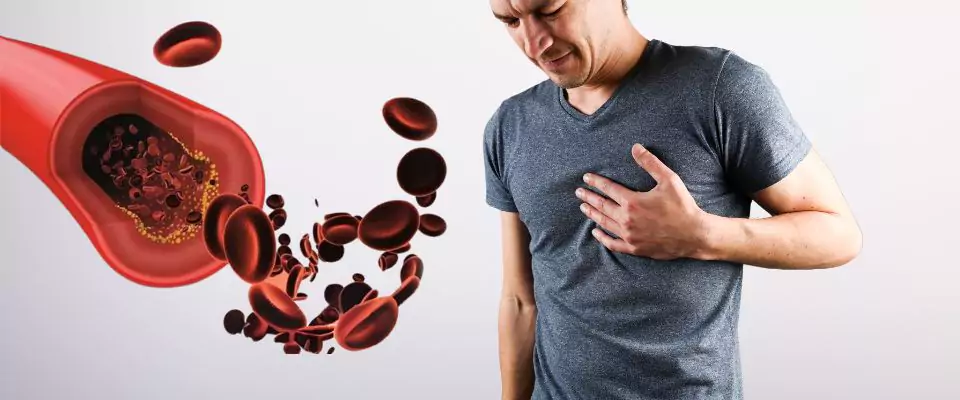
Hypercholesterolaemia, or commonly known as high cholesterol occurs when the total cholesterol (TC) exceeds 240mg/dL, or when low-density lipoprotein cholesterol (LDL-C) exceeds 130mg/dL. Cholesterol plaques build up in the arteries, a condition called atherosclerosis which may partially or totally obstructs blood flow to organs such as the brain, heart, kidneys and extremities. A small portion of the plaque may break off, or the formation of blood clot on the plaque’s surfaces may result in a heart attack or stroke.

Cholesterol is classified into LDL-C and high-density lipoprotein cholesterol (HDL-C). LDL-C is harmful to the body – it attaches to the arterial walls and hardens the arteries (reduced flexibility). In contrast, HDL-C helps to carry cholesterol to the liver for removal and storage which therefore prevents the formation of cholesterol plaques.

TCM Cause
  • Yin deficiency with the production of asthenic Fire: Chronic mental stress or excessive emotional activities may cause Liver Qi stagnation and the production of Liver Fire when exhaust the Yin. The depletion of the Liver Yin may then complicate the Kidney.

  • Heat-phlegm syndrome: Alcoholism or a diet high in calories (fats and sugars) can damage the Spleen and Stomach, resulting in build up for phlegm-dampness and toxins.

  • Phlegm-Blood stasis syndrome: the formation of heat-phlegm (unwanted wastes) obstructs normal blood flow, causing stagnation of Blood. When heat, phlegm and Blood stasis mix with one another, they can result in the yin exhaustion of the Liver and Kidney with obstruction to proper circulation.

 
Symptoms

People with slightly elevated blood cholesterol often do not experience any symptoms. However, the absence of symptoms does not indicate a normal level of blood cholesterol. Therefore, regular medical check up is important in detecting the condition. Other symptoms may include giddiness, fatigue, weakness, insomnia, forgetfulness, chest discomfort and fast heart rate. High cholesterol is often seen in overweight or obese individuals. The chronic elevation of blood cholesterol without medical treatment can result in coronary heart disease, peripheral arterial disease which exhibit as chest pain (angina), heart attack, stroke and intermittent claudication (limping due to obstruction in arteries)

TCM categorises high cholesterol into various syndromes, namely Phlegm obstruction type, Excessive Dampness with Kidney deficiency type, Stagnation of Qi with Blood Stasis type, Yin deficiency of the Liver and Kidney type, Yang deficiency of the Spleen and Kidney type and lastly simple type based on individual’s clinical presentation, tongue, pulse. A treatment plan is then formulated based on the different syndromes and according to individual’s physique.

Susceptible group of people

Family history of high cholesterol, individuals who are overweight or obese, middle aged and above, post-menopausal women, heavy smoker and drinker, people with sedentary lifestyle, people with medical conditions such as diabetes, high blood pressure, fatty liver. Irregular lifestyle, people who are easily tensed, agitated and under chronic mental stress.

Cholesterol-lowering herbs

There are various herbs or food that exhibit cholesterol lowering properties. Some examples are hawthorn (shan zha), red sage (dan shen), oriental water-plantain (ze xie), tuber fleeceflower (he shou wu), cassia seeds (jue ming zi), solomon’s seal (huang jing), kudzu root (ge gen), cattail pollen (pu huang), lotus leaves (he ye), gynostemma tea (jiao gu lan) and lastly ginkgo leaves (yin xing ye). They may be boiled or simmered with hot water and consume as tea. However, it is advisable to consult a physician as individual’s physique and symptoms may differ or when your condition persists or does not improve.

Food Remedy

Hawthorn congee

Ingredients: Hawthorn fruit 30-45g (or fresh product 60g), white rice 100g, sugar

Properties: Strengthen Spleen, Stomach and lower cholesterol. Suitable for individuals with high cholesterol, high blood pressure, coronary heart disease and those who experience indigestion (especially for those who consume plenty meat)

Method: Boil hawthorn to obtain concentrated juice, cook rice with juice till desired consistency and sweeten as desired. Consume warm, once daily for 10 days.

Caution: Not to be taken cold or on an empty stomach.

Chrysanthemum and Cassia seed congee

Ingredients: chrysanthemum 10g, cassia seeds 10-15g, white rice 50g, rock sugar

Properties: Clear Liver and brighten eyes, lower blood pressure and soothe bowels

Method: Place cassia seeds in clay-pot and roast till fragrant. When cooled, boil with chrysanthemum, filter and drain. Cook rice with filtrate till desired consistency, sweeten with rock sugar. Consume once daily, 5-7 days as a course of treatment.


Related Articles

Better Diabetes Management with TCM

For five months, Richard*, who had a 20-year history of diabetes, experienced numbing, burning, and tingling sensations in his lower limbs. By the time the sixty-four-year-old sought help from a Traditional Chinese Medicine (TCM) practitioner, his lower calves were hyper-pigmented, his tongue was dark red with a thick coating, and his pulse was tense and “slippery”.

With herbal medications, however, his symptoms improved noticeably. He continues to take the prescribed herbs and returns to his TCM physician for fortnightly reviews.

Traditional Chinese Medicine has a long and successful history of managing diabetes and its complications. References to xiao-ke, a disease characterised by persistent thirst and hunger, copious urination and weight loss, can be found as early as the 1st century BCE, in the medical text Huang Di Nei Jing (The Yellow Emperor’s Inner Classic). Translated literally as “wasting thirst”, it was believed to be the result of consuming too much fatty, sweet, or rich food.

Today, TCM practitioners see poor diet as just one of four major contributing factors to the root cause of diabetes, believed to be a depletion of yin energy – a cool, dark and earthy energy – combined with excessive asthenic fire in the body.

Beyond greasy, sweet and spicy food, and alcohol, all of which exhaust the spleen and result in the production of damp heat, three other factors commonly cause yin depletion and excessive fire in the body:

  • an unstable emotional life, which disrupts the flow of energy in the body and causes qi stagnation, leading to an excess of internal fire;

  • imbalances and disruptions in energy that are present at birth;

  • excessive sexual intercourse, which depletes kidney essence, impairing its ability to provide yin to the whole body.

Symptom-led treatment

Unlike conventional medicine, TCM is not concerned with blood glucose levels but instead, the actual symptoms displayed by the individual patient. These symptoms can be distilled into three main categories: upper, middle, and lower wasting.

Upper wasting is primarily characterised by excessive thirst. Other typical symptoms may include a dry mouth, irritability, a red tongue with a thin yellow coating, and rapid pulse. A TCM practitioner may diagnose someone with these symptoms as having Lung Heat with Depletion of Jin syndrome – a rise in internal heat, primarily in the lungs, due to a deficiency in yin jin (body fluids). This can be managed with a concoction made with Coptis Chinesis (Huang Lian), Ophiopogon Japonicas (Mai Dong), and Radix Rehmannia (Sheng Di Huang).

The most apparent symptom of Middle wasting is excessive hunger. Patients will also likely suffer from bad breath, weight loss, frequent oral ulcers, excessive thirst and urine output, constipation with dry stools, a red tongue with yellow coating, and a strong rapid pulse. Also known as Stomach Fire syndrome, it is commonly managed with a remedy known as Jade Maiden Decoction, made with Gypsum Fibrosum (Shi Gao), Rhizoma Anemarrhenae (Zhi Mu), and Gardenia Jasminoides (Zhi Zi).

Finally, lower wasting can be recognised by excessive turbid urination, often accompanied by lower lumbar pain and weakness in the knees, fatigue, dizziness, tinnitus (ringing in the ears), dry lips, dry and itchy skin, a red tongue with little or no coating, and a thin and rapid pulse. These symptoms point to a deficiency of yin in the kidney syndrome, which is commonly managed with Six-flavour Rehmannia Pills, made with Schisandra (Wu Wei Zi), Chinese Yam (Shan Yao), and Wolfberries or Goji berries (Gou Qi Zi).

Broadly speaking, “the main goal in TCM treatment of diabetes is to invigorate the spleen (pancreas) and revitalise the kidneys,” explains Eu Yan Sang Senior Physician Tang Yue.

Using TCM to better outcomes

Particularly over the last decade, scientific studies have backed the use of TCM to complement or augment conventional medicine in the treatment of diabetes, and to mitigate the risks associated with certain medications.

In a study conducted in 2013, 800 patients were managed with either the ‘Xiaoke Pill’, a compound of Chinese herbs combined with glibenclamide, or glibenclamide alone. Glibenclamide, an antidiabetic drug commonly used to manage type-2 diabetes, is associated with drug-induced hypoglycemia. At the end of 48 weeks, those taking the Xiaoke Pill showed a significantly reduced risk of hypoglycemia and similar improvements in glycemic control compared to those who took glibenclamide. The controlled, double-blind trial was conducted in China and edited by US-based Pennington Biomedical Research Center.

It is important to remember however, that when TCM is used in conjunction with western medication, it should always be done with the knowledge and advice of both a qualified TCM practitioner and a western medical professional.

Eat your way to better health

As important as herbal medication is, it is only part of the solution.

“Even with medication, diet control is just as important,” says Senior Physician Tang. He advises patients to avoid foods high in sugar, such as candy, chocolate, pastries, and sweetened drinks, and to reduce their intake of starch and fat.

Instead, they should fill up on foods with a low glycaemic index (GI), which can help reduce spikes in their blood glucose levels. These foods include oats, wholemeal bread, brown rice, lentils, soy and walnuts. Other beneficial foods, like black fungus, Chinese yam, barley, American ginseng and wolfberries can be consumed in soups.

Lifestyle changes must also be made, which means adopting a diet that is low in fat, sugar and salt, and making time for aerobic exercise. This makes the body more receptive to insulin, says Senior Physician Tang.

“In Mandarin we say 管住嘴、迈开腿 (Guǎn zhù zuǐ mài kāi tuǐ), or watch what you eat and exercise since neglect of both is the most common cause of type-2 diabetes. Focus on maintaining a healthy Body Mass Index of between 18 and 23, and try and get active for at least 150 minutes a week. It will help you control your blood glucose levels and find your way to better health,” she says.

*Not his real name
Bridging East & West: A Holistic Approach to Hypertension

High blood pressure, or hypertension, is a leading risk factor for cardiovascular disease and a significant public health concern in Singapore. Often symptomless in its early stages, it can quietly cause damage until serious complications such as stroke, heart failure, or kidney disease arise. 

In this installment of our “Bridging East & West” series, we take a closer look at hypertension from the perspectives of both Western medicine and Traditional Chinese Medicine (TCM). By understanding how each system approaches diagnosis and care, we uncover how an integrative, holistic strategy can help you better manage your blood pressure and support long-term heart health.

Subscribe to our Instagram or Facebook to get health tips on how Traditional Chinese Medicine (TCM) and Western medicine work together to promote holistic well-being.

Understanding Hypertension: What Western Medicine Tells Us

Hypertension is diagnosed when systolic (top) readings exceed 130 mmHg and/or diastolic (bottom) readings exceed 85 mmHg, according to Singapore’s Ministry of Health (MOH) guidelines. Left untreated, it significantly increases the risk of heart attack, stroke, kidney damage, and vision loss. Early detection and management are key to preventing these outcomes.

Blood Pressure Categories for Adults (18+)

Blood Pressure (BP) Level (mmHg)

Category 

Systolic BP (mmHg)

Diastolic BP (mmHg)

High-Normal BP

130 - 139

85 - 89 

Grade 1 Hypertension

140 - 159

90- 99

Grade 2 Hypertension & above

≥160

≥100

Note: Blood pressure targets may vary depending on age, risk factors, and medical history. Please consult your healthcare provider for personalised guidance.

Source: ACE Clinical Guidance (ACG) Hypertension Dec 2023, Healthhub


TCM Insights: Reading Hypertension through the Body's Energy Flow

In Traditional Chinese Medicine, hypertension is not viewed as a standalone condition but as a reflection of imbalances in the body’s ‘Qi’ (vital energy), Yin-Yang, and organ systems such as the Liver, Kidney, and Spleen. TCM diagnosis focuses on identifying these underlying patterns and tailoring treatment accordingly.

Common TCM patterns for Hypertension and its symptoms:

TCM patterns

Common Symptoms

Hyperactivity of Liver Yang (肝阳上亢证)

Commonly linked to stress & emotional tension. 

- Dizziness

- Headaches

- Facial flushing

- Irritability

Accumulation of Phlegm & Dampness (痰湿中阻证)

Associated with poor digestion, sedentary habits, or a greasy diet. 

- Heavy-headedness

- Mental fog

- Dull pressure in the head

Obstruction by Blood Stasis (瘀血内阻证)

Results from poor circulation or long-term Qi stagnation.

- Chest pain

- Palpitations

- Stubborn headaches

- Dark & purplish tongue

Deficiency of Kidney Yin (肾阴亏虚证)

Common in older adults or those with chronic fatigue, overwork, or insufficient rest.

- Forgetfulness

- Sore, weak lower back & knees

- Tinnitus

- Dry eyes, blurred vision

Treatment of Hypertension

Western Medical Approach:

  • Lifestyle modifications: Adopt a low-sodium diet (e.g. DASH diet-Dietary Approaches to Stop Hypertension), exercise regularly, manage weight, and stress. 

  • Pharmacotherapy with antihypertensive medications such as ACE inhibitors, ARBs, calcium-channel blockers, beta-blockers, or thiazide diuretics. 

  • Routine monitoring: Regular doctor visits and self-tracking at home help monitor progress and ensure treatment effectiveness.

These methods help manage blood pressure effectively and reduce the risk of acute cardiovascular events.

Traditional Chinese Medical Approach:

TCM focuses on restoring internal harmony based on individual body patterns and the progression of the condition.

TCM diagnosis considers the progression of the disease, tailoring treatment based on dominant patterns observed.

  • Acupuncture:
    Helps calm the nervous system, regulate Qi, and improve circulation
    . Common acupoints used include Taichong 太冲 (LR3), Quchi 曲池 (LI11), Zusanli 足三里 (ST36), and Fengchi 风池 (GB20).

  • Herbal therapy:
    Several herbal formulas can be used to restore internal balance. Herbal formulas are prescribed based on the pattern exhibited by the individual. Hence, two different individuals suffering from hypertension could be prescribed two different herbal formulas. In TCM, this is known as 同病异治 (same illness, differentiated treatment).

  • Holistic care:
    TCM may also prescribe dietary adjustments, gentle exercises (like Tai Chi), and lifestyle guidance tailored to each individual.

Lifestyle Tips for Hypertension Patients:

  • Manage Stress and Emotions:
    Practice calming exercises like deep breathing, tai chi, or meditation to soothe the Liver and support healthy blood pressure.

  • Choose Light and Balanced:
    Avoid greasy, salty, and spicy foods. Choose vegetables, whole grains, and potassium-rich foods like celery and bitter gourd.

  • Stay Active:
    Engage in gentle exercises such as brisk walking or stretching to improve circulation and help regulate blood pressure.

  • Maintain a Balanced Routine:
    Ensure adequate sleep (before 11 pm), regular meals, and work-life balance to support smooth Qi flow and nourish Liver and Kidney Yin.


Bridging Wisdom: Integrative Management of Hypertension

Why choose an integrative approach?

  • Western medicine provides fast and effective blood pressure control, reducing immediate risks with life-saving interventions.

  • TCM focuses on restoring balance, addressing underlying root causes, and enhancing long-term health and vitality.

Together, an integrated care plan can be developed to support long-term blood pressure control, enhance overall well-being, and potentially reduce dependence on medication.

Eu Yan Sang x Parkway Shenton Integrative Clinical Care Protocol for Hypertension

Our Co-Management Programme combines the diagnostic accuracy of Western GPs with the holistic insights of licensed TCM physicians.

  • Joint diagnosis and collaborative care planning

  • Reduced risk of drug-herb interactions

  • Personalised strategies that address stress, metabolic imbalances, and lifestyle factors

  • Potential to reduce medication dependency and improve overall quality of life

Explore Integrative Hypertension Care with Us

Our TCM physicians and Western doctors collaborate closely to provide safe, effective, and personalised treatment for hypertension. Let us help you find a balanced way forward.

Book a consultation* and discover how integrative care can support your heart health. *Available at Guoco Tower from 1 Aug 2025.

Article reviewed by: 

Dr. Lim Wee Peng, General Practitioner (GP) - Family Physician at Parkway Shenton Medical Clinic, Guoco Tower

Physician Chan Jing Wen - TCM Physician at Eu Yan Sang TCM Clinic @ Guoco Tower

Sources: 

  1. Singapore Ministry of Health (MOH) Hypertension Guidelines

  2. Chinese herbal formulas for treating hypertension

  3. Traditional Chinese Medicine for Essential Hypertension: A Clinical Evidence Map

  4. Traditional Chinese Medicine Syndromes for Essential Hypertension

  5. Randomized Trial of Acupuncture to Lower Blood Pressure

  6. The Effect of Traditional Chinese Exercises on Blood Pressure in Patients with Hypertension

All About Cholesterol

Dr Tan Hong Chang, Associate Consultant in the Department of Endocrinology, Singapore General Hospital, explains that the human body is a cholesterol factory as it needs cholesterol to function. “Cholesterol is used by the body to make cell membranes, hormones and vitamin D,” he explains. “It’s also part of the outer covering of nerves, and is a component of bile. As the body is able to make cholesterol in the liver and other organs, there is no minimum requirement for cholesterol intake.”

Good cholesterol (HDL) helps transport cholesterol from the blood to the liver, before excretion in the bile. Bad cholesterol (LDL) is deposited in the blood vessels, forming plaques in the arteries. The relative level of HDL and LDL in your blood is dependent on genetics and diet. When we refer to high cholesterol levels, we predominantly refer to the bad cholesterol, ie high LDL-cholesterol. “High cholesterol increases cardiovascular risk because cholesterol can get deposited in the arterial wall, causing narrowing and hardening of the artery, which leads to atherosclerosis,” reminds Dr Tan. The total cholesterol-to-HDL ratio is an indication of the proportion of good and bad cholesterol, and is a better indicator of cardiovascular risk than total cholesterol.

Dr Peter Eng, Consultant Endocrinologist at Peter Eng Endocrine Clinic in Mount Elizabeth Medical Centre, advises that our body needs to maintain a desirable cholesterol level of no more than 5.2mmol/L (200mg/dl). Total cholesterol levels above 6.2mmol/L (240mg/dl) or LDL-cholesterol levels above 4.1mmol/L (160mg/dl) are considered high for a person without other risks of heart disease. A person with other risk factors for heart disease—such as smoking, hypertension or diabetes—requires a lower target level.

Risk Factors

In TCM, high cholesterol is thought to result from chronic mental stress or excessive emotional upheavals, which cause the liver qi to stagnate, producing 'fire' that depletes yin in the liver. Consuming too much alcohol and a high-calorie diet can also damage the spleen and stomach, resulting in the build-up of toxins, phlegm and 'dampness'. Risk factors include a family history of high cholesterol, menopause, heavy smoking and drinking, obesity, and/or chronic conditions such as diabetes, high blood pressure and a fatty liver. Chronic mental stress is also a risk factor.

Symptoms of high cholesterol include:

  • phlegm stagnation

  • qi stagnation

  • blood stasis

  • deficient yin in liver and kidney

In TCM, a person’s inability to digest efficiently may affect how cholesterol is processed and stored in the body. Similarly, with blood and fluid circulation, slower fluid circulation will encourage more or larger deposits of cholesterol. Poor blood circulation is also seen in many types of arthritic disorders, as well as some types of cardiovascular diseases. Excretory system dysfunction is also a significant indicator, as the relationship between the liver and bile production is crucial for ensuring that cholesterol is eliminated efficiently when bile is released.

Oops! There are no articles yet. Please check back again.