EYS TCM Clinic

TCM Diagnosis Methods

heart
TCM Diagnosis Methods

In TCM, external symptoms are the manifestation of internal imbalances. Hence, a TCM physician assesses one’s state of health by analysing external symptoms displayed to seek evidence of internal problems. Unique diagnostic methods are used to collect and analyse clinical information.

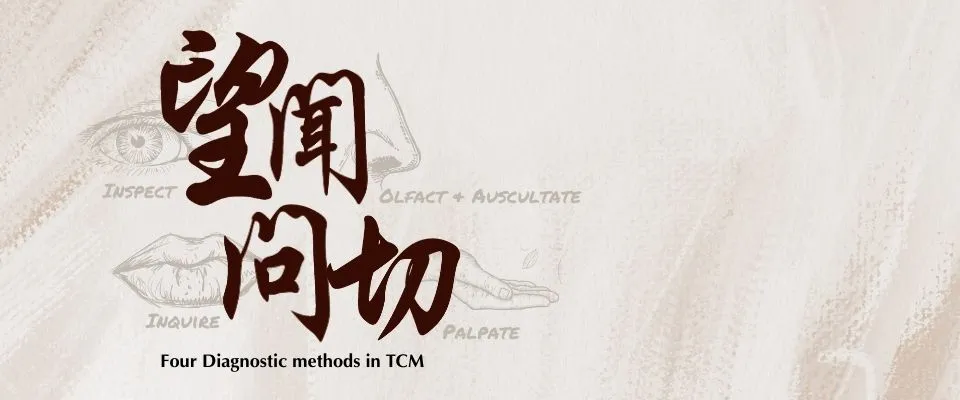
There are some diagnostic methods in TCM which are essential for determining the root causes of a health problem. A professionally trained TCM physician is usually able to differentiate the root causes of a problem by applying the following methods:

  • Observations (望): observe the entire body, which includes the tongue, complexion, body shape, posture, movement and vitality

  • Smelling and listening (闻): observe the smell of body odours, excretions and secretions; listen to the voice, tone, and sound of respiration or cough

  • Questioning (问): inquiring about the main concerns or complaints, the onset and duration of the problem, and relevant medical history and symptoms

  • Pulse analysing (切): feeling and evaluating the pulse by pressing on certain parts of the body such as the skin, muscles, acupoints, limbs, chest, abdomen and other areas


Related Articles

Emotions and Organs: A Deep Connection

Have you ever wondered why anger seems to knot your stomach or why grief makes your chest feel heavy? 

Emotions aren't just fleeting experiences; they're like threads weaving through the fabric of our lives, influencing our health and well-being in ways we might not always recognise. Traditional Chinese Medicine (TCM) sees emotions as intertwined with our organs and the elements they represent. When everything's in sync, it's like a beautiful symphony. But throw in some disharmony, and it's more like a clamour of noise.

Here’s how five key emotions can cause imbalances and impact physical health:

1. Anger

  • Organ: Liver

  • Effects: Anger causes the ‘Qi’ to rise, disrupting its smooth flow. This can result in tension, frustration, headaches, dizziness, and hypertension. Over time, chronic anger may lead to liver damage, affecting detoxification and digestion.

  • Symptoms: High blood pressure, migraines, digestive issues, and menstrual irregularities.

2. Overjoy 

  • Organ: Heart

  • Effects: While joy is generally positive, excessive joy or overexcitement can overstimulate the heart, leading to a scattering of the Heart ‘Qi’. This may cause restlessness, insomnia, palpitations, and general anxiety.

  • Symptoms: Heart palpitations, insomnia, agitation, and difficulty concentrating.

3. Grief

  • Organ: Lungs

  • Effects: Sadness and grief deplete the Lung ‘Qi’, weakening the lungs and immune system. This can lead to respiratory issues, fatigue, and a diminished ability to ward off infections.

  • Symptoms: Shortness of breath, frequent colds, and a weakened immune system.

4. Worry and Overthinking

  • Organ: Spleen

  • Effects: Excessive worry and overthinking impair the Spleen's ability to transform and transport food and fluids. This can lead to digestive issues, muscle tension, and a weakened ability to assimilate nutrients.

  • Symptoms: Digestive problems, weight gain or loss, muscle fatigue, and decreased energy levels.

5. Fear

  • Organ: Kidneys

  • Effects: Fear depletes Kidney ‘Qi’, affecting the kidneys and adrenal glands. This can result in issues with growth and development, problems related to water metabolism and reproductive health.

  • Symptoms: Lower back pain, urinary problems, reproductive issues, and feelings of chronic fatigue.

This intricate interplay underscores the dynamic equilibrium necessary for optimal health and well-being. When one element dominates or is weakened, disharmony ensues, leading to physical ailments, emotional disturbances, or mental imbalances. 

So how do we find balance? 

Understanding the intricate web of connections between the Five Elements, organs, and emotions is essential for cultivating holistic health in TCM. To manage these imbalances, it's important to address both their emotional and physical aspects. 

Here are detailed tips for each emotion:

1. Managing Anger 😠

  • Exercise: Engage in physical activities such as jogging, swimming, or martial arts to release pent-up energy and reduce tension.

  • Acupressure and Acupuncture: Seek treatments targeting the Liver meridian to promote the smooth flow of ‘Qi’.

  • Diet: Avoid excessive alcohol and spicy foods, and incorporate cooling foods like cucumber, mint, and green leafy vegetables.

2. Managing Excessive Joy 😊

  • Moderation: Cultivate a balanced lifestyle to avoid overstimulation. Practice mindfulness to remain grounded.

  • Relaxation Techniques: Engage in relaxation techniques like deep breathing exercises and progressive muscle relaxation.

  • Herbal Remedies: Use calming herbs like valerian root, chamomile, and lavender to soothe the mind.

3. Managing Sadness and Grief 😢

  • Social Connections: Maintain strong social connections and seek support from friends and family.

  • Breathing Exercises: Practice deep breathing exercises to strengthen Lung ‘Qi’ and improve respiratory function.

  • Outdoor Activities: Spend time in nature to uplift your mood and enhance Lung capacity.

4. Managing Worry and Overthinking😟

  • Balanced Diet: Avoid excessive sugar and processed foods. Eat warm, cooked meals that support Spleen health, like oats, sweet potatoes, and carrots.

  • Exercise: Regular physical activity helps reduce stress and improve digestive function.

  • Herbal Support: Use herbs such as ginger, cinnamon, and licorice root to strengthen the Spleen and improve digestion.

5. Managing Fear 😨

  • Hydration: Drink plenty of water to support Kidney function.

  • Kidney Health: Keep your lower back warm and practice exercises that strengthen the lower back and kidneys, like yoga or Tai Chi.

  • Diet: Incorporate foods that nourish the kidneys, such as black beans, walnuts, and seaweed.

  • Therapy: Engage in therapy to address underlying fears and anxieties.

The Five Elements Theory of TCM offers a captivating lens through which to view your health and emotions. So the next time you feel a surge of excitement that leaves your heart racing and your body tingling with anticipation, remember the elemental forces at play and let them guide you toward inner harmony.

By addressing both the emotional and physical aspects of health, you can effectively manage emotional imbalances and promote overall well-being. If you're seeking guidance on your journey to wellness, our team of experts is here to assist you in creating a personalised path to wellness.

What Your Lips Say About You

Did you notice how the colour and texture of your lips can change depending on your overall health?

According to Traditional Chinese Medicine (TCM), the state of your lips can reveal a lot about your internal health and any underlying imbalances. Just like how emotions can influence your organs, the appearance of your lips is closely tied to different organ systems and the overall state of your body’s ‘Qi’ (vital energy).

Here’s a guide to what your lips might be telling you:

1. Normal & Healthy Lips

Signs:

  • Pinkish-red color

  • Moist and smooth texture

What It Means: Healthy lips are a sign that your body’s ‘Qi’ and blood circulation are functioning optimally. Your organs are balanced, and your overall health is in good shape. There’s no excessive heat or cold in the body, and your digestive system is likely working well.

2. Heaty Lips

Signs:

  • Bright red color

  • Often associated with fever and a flushed complexion

What It Means: Bright red lips indicate an excess of heat in the body, often linked to the Heart and Liver. This can be due to factors like stress, overconsumption of spicy foods, or lack of sleep. The heat can lead to inflammation, resulting in symptoms such as headaches, irritability, and digestive issues. Managing this heat is essential to prevent it from causing further health problems.

Health Tip: To reduce heatiness, try consuming cooling foods such as watermelon or chrysanthemum tea.

3. Cold Syndrome Lips

Signs:

  • Bluish-red colour

  • Often associated with feeling cold easily, cold hands and feet, low in energy

What It Means: Bluish lips are a sign of cold syndrome, indicating that your body may be experiencing a deficiency in ‘Yang’ energy or poor circulation. This condition can cause you to feel cold more easily and may be linked to digestive issues like bloating or diarrhea.

Health Tip: Warming the body with foods like ginger or engaging in gentle exercises can help restore balance.

4. Blood Deficient Lips

Signs:

  • Pale or dull colour

  • Often associated with a pale complexion

What It Means: Pale lips are often a sign of blood deficiency, which could be due to poor diet, chronic stress, or a lack of sleep. This condition weakens the body, leading to symptoms like fatigue, dizziness, and weak immunity. Nourishing your blood with iron-rich foods, leafy greens, and sufficient rest is crucial to restoring your vitality.

5. ‘Qi’ Stagnation and Blood Stasis Lips

Signs:

  • Dark or purple colour

  • Often associated with scaly skin on your limbs, depressed mood, easily irritable, irregular menstrual period

What It Means: Dark or purple lips suggest ‘Qi’ stagnation and blood stasis, which means that the body’s energy and blood are not circulating properly. This can be due to emotional stress, a sedentary lifestyle, or exposure to cold. The stagnation can lead to pain, swelling, and other chronic issues. Acupuncture, massage, and movement can help to improve circulation and relieve these symptoms.

6. ‘Yin’ Deficient Lips

Signs:

  • Dry or cracked lips

  • Often accompanied by dry eyes or night sweats

What It Means: Dry or cracked lips are a sign of ‘Yin’ deficiency, indicating a lack of moisture and nourishment in the body. This condition can cause symptoms like insomnia, irritability, and dryness in other areas, such as the eyes or skin. Replenishing ‘Yin’ with hydrating foods, proper hydration, and adequate rest is key to maintaining balance.

Finding Balance

Understanding the connection between your lips and your internal health can help you take proactive steps toward balance and well-being. In TCM, maintaining harmony between the body’s organs, emotions, and external environment is crucial for health. If you notice changes in the color or texture of your lips, it might be time to listen to your body and seek guidance from a TCM practitioner. Whether it’s through diet, lifestyle changes, or specific treatments like acupuncture, addressing these imbalances early can help prevent more serious health issues down the road.

Our clinic’s team of experts is here to assist you in understanding your body’s signals and creating a personalized path to wellness. Let your lips be your guide to a healthier, more balanced life.

Understanding Basic TCM Terms

Traditional Chinese Medicine (TCM) is an ancient art of healing and an increasingly accepted practice around the world. Rooted in the ancient philosophy of Taoism, TCM dates back to more than 2,500 years ago.

Here is a quick guide on the meanings behind commonly used TCM words.

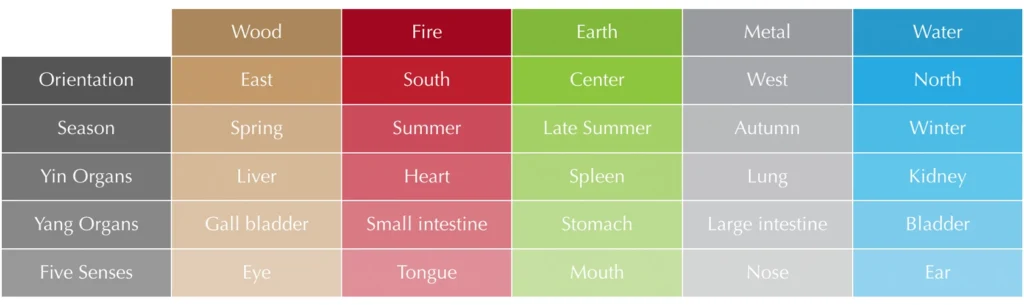
Five Elements

The 5 elements are: wood, fire, earth, metal and water. Each has a specific characteristic as illustrated below:

Qi

A person’s vital life force, it is the source of energy flow in one’s body. If the qi is up and running, everything is in harmony. If the qi is weak or imbalance, illness and disease will occur.

Meridian Systems

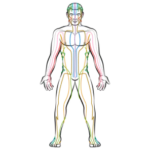
The body has 12 principal meridian channels, and its primary focus is to carry and distribute qi, body fluids and blood to every part of the body. Meridians do not have anatomical structures. Along these 12 channels, lie acupoints. There are approximately 365 acupuncture points. Each point belongs to a particular meridian channel that connects to specific organs.

Yin vs. Yang

TCM considers the world as a single unit and its movement gives rise to yin and yang. The two opposing yet interdependent forces must maintain balance, and one cannot dominate the other. It is a concept used to diagnose patterns of disharmony and determine treatments to restore balance.

The 5 Organs & their roles

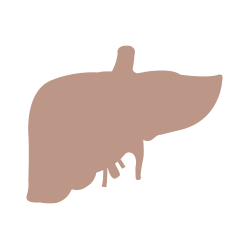
The Liver System

Role: Regulates the qi movement throughout the body.

Function: The Liver stores sufficient blood, boosts the digestive functions of the Spleen, nourishes the eyes from blood stored in the Liver and ensures proper movement of tendons preventing symptoms like spasms, numbness of limbs and difficulty bending or stretching.

The Spleen System

Role: Assists with digestion, and governs blood flow and fluid metabolism in the body.

Function: Transform food into essence used for qi and blood transformation. Our spleen’s health is reflected in lips, mouth and movement of the limbs and muscles.

The Lung System

Role: Regulars qi movement necessary for blood circulation, fluid metabolism, the autonomic nervous system and the immune system.

Function: Controls the circulation of qi and blood to moisten skin and body hair. When these functions are weakened, skin and hair become dull, rough and dry.

The Heart System

Role: Regulates the cardiovascular system while maintaining the nervous system’s functions. Qi from a health heart maintains an efficient blood flow in the blood vessels.

Function: The heart stores the “spirit”, an individual’s vitality. This ensures optimum mental, cognitive and intellectual abilities.

The Kidney System

Role: Regulates the urinary system, and controls the reproductive and nervous systems.

Function: The kidney stores ‘Jing’, an essential substance for bone growth, closely associated with life. Dental problems, hair loss, immature hair greying, hearing problems and urinary tract disorders are all signs of disharmony in the kidney system.

Acupuncture

It is a physical treatment that uses hair-thin needles at specific points on the body. Acupuncture helps to restore balance, clear blockage within the meridians and strengthens qi. It is commonly used in pain management, arthritis, depression, allergic rhinitis and other health issues.

Cupping

It is a physical treatment that uses glass or bamboo cups that are warmed to create a partial vacuum, so that a suction force can be created on the skin’s surface. Cupping helps to activate the lymphatic system promote blood circulation and aid deep tissue repair.

Tuina

It is a combination of massage, acupressure and other forms of body manipulation by applying pressure to acupoints, Meridians and groups of muscles or nerves to remove blockages that prevent the free flow or circulation of qi and blood.

Oops! There are no articles yet. Please check back again.