EYS TCM Clinic

How TCM Works

heart
How TCM Works

TCM treats the mind, body and spirit as a single entity. This holistic approach is derived from fundamental beliefs in the Chinese culture, which emphasise the inseparable nature of Man with the Universe, as well as the need for balance and harmony.

When a person’s vital life force, known as Qi (气, pronounced “chi”), flows smoothly through the body, it establishes a balance between his spiritual, emotional, mental and physical realms. Similarly, the person needs to function in harmony with his environment, which includes acclimatising himself to the climate and the changes in his daily lifestyle.

If that flow and balance is upset, disease and illness will arise.

TCM employs a system of diagnosis, therapy and medication to restore that balance by boosting the body’s immune system in an attempt to fight off pathogens.

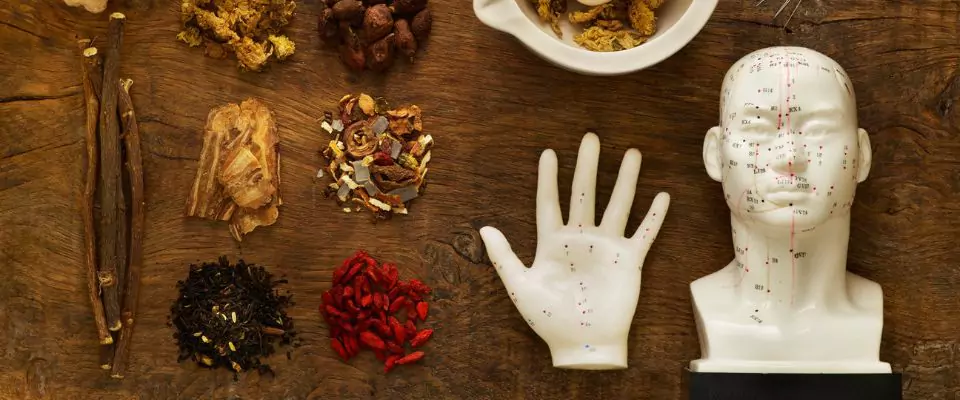
A TCM treatment usually includes a combination of medicinal herbs, nutritional therapies, physical treatments such as acupuncture, moxibustion, cupping, massage or Tuina, and therapeutic exercises such as taichi and related breathing techniques.


Related Articles

What Your Lips Say About You

Did you notice how the colour and texture of your lips can change depending on your overall health?

According to Traditional Chinese Medicine (TCM), the state of your lips can reveal a lot about your internal health and any underlying imbalances. Just like how emotions can influence your organs, the appearance of your lips is closely tied to different organ systems and the overall state of your body’s ‘Qi’ (vital energy).

Here’s a guide to what your lips might be telling you:

1. Normal & Healthy Lips

Signs:

  • Pinkish-red color

  • Moist and smooth texture

What It Means: Healthy lips are a sign that your body’s ‘Qi’ and blood circulation are functioning optimally. Your organs are balanced, and your overall health is in good shape. There’s no excessive heat or cold in the body, and your digestive system is likely working well.

2. Heaty Lips

Signs:

  • Bright red color

  • Often associated with fever and a flushed complexion

What It Means: Bright red lips indicate an excess of heat in the body, often linked to the Heart and Liver. This can be due to factors like stress, overconsumption of spicy foods, or lack of sleep. The heat can lead to inflammation, resulting in symptoms such as headaches, irritability, and digestive issues. Managing this heat is essential to prevent it from causing further health problems.

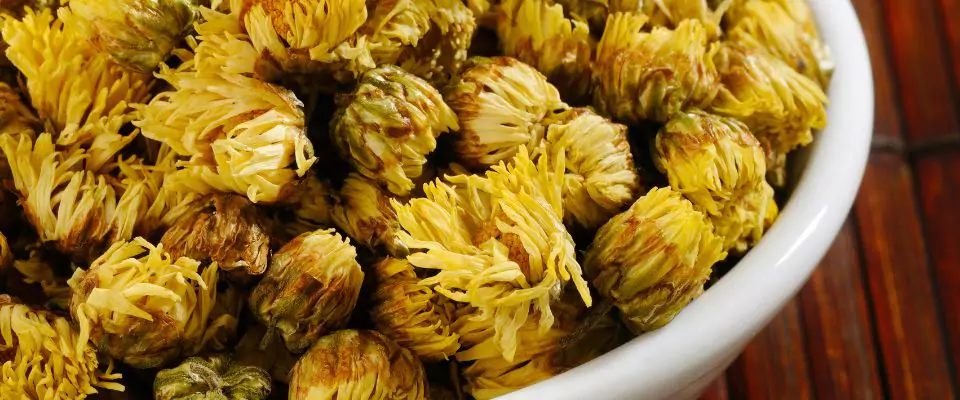
Health Tip: To reduce heatiness, try consuming cooling foods such as watermelon or chrysanthemum tea.

3. Cold Syndrome Lips

Signs:

  • Bluish-red colour

  • Often associated with feeling cold easily, cold hands and feet, low in energy

What It Means: Bluish lips are a sign of cold syndrome, indicating that your body may be experiencing a deficiency in ‘Yang’ energy or poor circulation. This condition can cause you to feel cold more easily and may be linked to digestive issues like bloating or diarrhea.

Health Tip: Warming the body with foods like ginger or engaging in gentle exercises can help restore balance.

4. Blood Deficient Lips

Signs:

  • Pale or dull colour

  • Often associated with a pale complexion

What It Means: Pale lips are often a sign of blood deficiency, which could be due to poor diet, chronic stress, or a lack of sleep. This condition weakens the body, leading to symptoms like fatigue, dizziness, and weak immunity. Nourishing your blood with iron-rich foods, leafy greens, and sufficient rest is crucial to restoring your vitality.

5. ‘Qi’ Stagnation and Blood Stasis Lips

Signs:

  • Dark or purple colour

  • Often associated with scaly skin on your limbs, depressed mood, easily irritable, irregular menstrual period

What It Means: Dark or purple lips suggest ‘Qi’ stagnation and blood stasis, which means that the body’s energy and blood are not circulating properly. This can be due to emotional stress, a sedentary lifestyle, or exposure to cold. The stagnation can lead to pain, swelling, and other chronic issues. Acupuncture, massage, and movement can help to improve circulation and relieve these symptoms.

6. ‘Yin’ Deficient Lips

Signs:

  • Dry or cracked lips

  • Often accompanied by dry eyes or night sweats

What It Means: Dry or cracked lips are a sign of ‘Yin’ deficiency, indicating a lack of moisture and nourishment in the body. This condition can cause symptoms like insomnia, irritability, and dryness in other areas, such as the eyes or skin. Replenishing ‘Yin’ with hydrating foods, proper hydration, and adequate rest is key to maintaining balance.

Finding Balance

Understanding the connection between your lips and your internal health can help you take proactive steps toward balance and well-being. In TCM, maintaining harmony between the body’s organs, emotions, and external environment is crucial for health. If you notice changes in the color or texture of your lips, it might be time to listen to your body and seek guidance from a TCM practitioner. Whether it’s through diet, lifestyle changes, or specific treatments like acupuncture, addressing these imbalances early can help prevent more serious health issues down the road.

Our clinic’s team of experts is here to assist you in understanding your body’s signals and creating a personalized path to wellness. Let your lips be your guide to a healthier, more balanced life.

Acupuncture 101: 7 Must-Know Facts Before You Try It

Curious about acupuncture but not sure what to expect? This quick read unpacks 7 essential facts, from how it works to what it really feels like, so you can feel more confident stepping into your first session.

We use one-time, disposable needles for your hygiene & safety. Our Physicians select different lengths, ranging from 13mm - 75mm, for different treatment areas & conditions. Acupuncture is recognised by the W.H.O for its efficacy for over 100 conditions. Contrary to what it looks like, most people feel nothing more than a slight tingle during insertion. Acupuncture holistically supports pain relief, stress management,  & general wellness.

1. Sterile and Single-Use Needles

Every acupuncture needle is used once and then safely disposed of. Our Clinics follow strict hygiene standards, so you can rest assured it's clean and safe.

2. Needles Are Hair-Thin

Worried it might hurt? Most first-timers are surprised at how fine the needles are, often as thin as a strand of hair (between 0.12mm & 0.30mm). Many people feel only a slight sensation or nothing at all.

3. Not All Needles Are the Same

Needles come in different lengths and thicknesses. Our TCM physicians select them based on the part of the body being treated and the condition at hand; it’s not one-size-fits-all.

4. Recognised by the W.H.O

The World Health Organization recognises acupuncture as an effective treatment for over 100 conditions, including migraines, back pain, and stress-related disorders.

Source: Acupuncture: review and analysis of controlled clinical trials, World Health Organization (W.H.O) 2003

5. What Will You Feel?

You might experience a dull ache, tingling, or warmth at the needle site. Many report feeling deeply relaxed during or after the session, sometimes even energised.

6. There Are 361 Classical Acupuncture Points

According to the World Health Organization (W.H.O) Standard Acupuncture Nomenclature, your body has 361 primary acupoints. Each one helps regulate energy flow and restore internal balance.

Source: Standard Acupuncture Nomenclature World Health Organization (W.H.O) 1993

7. Back to Balance

Acupuncture is not just for pain. It’s a holistic therapy designed to restore balance across your body systems, from digestion to sleep to mood regulation.

Getting Started with Acupuncture

Acupuncture is widely practised in TCM clinics all over the world and in Singapore. Look for licensed practitioners who are registered with the Traditional Chinese Medicine Practitioners Board to ensure you're in good hands.

Ready to explore acupuncture for yourself?

Book a session or drop by your trusted Eu Yan Sang TCM clinic near you and start your wellness journey, one point at a time.

Emotions and Organs: A Deep Connection

Have you ever wondered why anger seems to knot your stomach or why grief makes your chest feel heavy? 

Emotions aren't just fleeting experiences; they're like threads weaving through the fabric of our lives, influencing our health and well-being in ways we might not always recognise. Traditional Chinese Medicine (TCM) sees emotions as intertwined with our organs and the elements they represent. When everything's in sync, it's like a beautiful symphony. But throw in some disharmony, and it's more like a clamour of noise.

Here’s how five key emotions can cause imbalances and impact physical health:

1. Anger

  • Organ: Liver

  • Effects: Anger causes the ‘Qi’ to rise, disrupting its smooth flow. This can result in tension, frustration, headaches, dizziness, and hypertension. Over time, chronic anger may lead to liver damage, affecting detoxification and digestion.

  • Symptoms: High blood pressure, migraines, digestive issues, and menstrual irregularities.

2. Overjoy 

  • Organ: Heart

  • Effects: While joy is generally positive, excessive joy or overexcitement can overstimulate the heart, leading to a scattering of the Heart ‘Qi’. This may cause restlessness, insomnia, palpitations, and general anxiety.

  • Symptoms: Heart palpitations, insomnia, agitation, and difficulty concentrating.

3. Grief

  • Organ: Lungs

  • Effects: Sadness and grief deplete the Lung ‘Qi’, weakening the lungs and immune system. This can lead to respiratory issues, fatigue, and a diminished ability to ward off infections.

  • Symptoms: Shortness of breath, frequent colds, and a weakened immune system.

4. Worry and Overthinking

  • Organ: Spleen

  • Effects: Excessive worry and overthinking impair the Spleen's ability to transform and transport food and fluids. This can lead to digestive issues, muscle tension, and a weakened ability to assimilate nutrients.

  • Symptoms: Digestive problems, weight gain or loss, muscle fatigue, and decreased energy levels.

5. Fear

  • Organ: Kidneys

  • Effects: Fear depletes Kidney ‘Qi’, affecting the kidneys and adrenal glands. This can result in issues with growth and development, problems related to water metabolism and reproductive health.

  • Symptoms: Lower back pain, urinary problems, reproductive issues, and feelings of chronic fatigue.

This intricate interplay underscores the dynamic equilibrium necessary for optimal health and well-being. When one element dominates or is weakened, disharmony ensues, leading to physical ailments, emotional disturbances, or mental imbalances. 

So how do we find balance? 

Understanding the intricate web of connections between the Five Elements, organs, and emotions is essential for cultivating holistic health in TCM. To manage these imbalances, it's important to address both their emotional and physical aspects. 

Here are detailed tips for each emotion:

1. Managing Anger 😠

  • Exercise: Engage in physical activities such as jogging, swimming, or martial arts to release pent-up energy and reduce tension.

  • Acupressure and Acupuncture: Seek treatments targeting the Liver meridian to promote the smooth flow of ‘Qi’.

  • Diet: Avoid excessive alcohol and spicy foods, and incorporate cooling foods like cucumber, mint, and green leafy vegetables.

2. Managing Excessive Joy 😊

  • Moderation: Cultivate a balanced lifestyle to avoid overstimulation. Practice mindfulness to remain grounded.

  • Relaxation Techniques: Engage in relaxation techniques like deep breathing exercises and progressive muscle relaxation.

  • Herbal Remedies: Use calming herbs like valerian root, chamomile, and lavender to soothe the mind.

3. Managing Sadness and Grief 😢

  • Social Connections: Maintain strong social connections and seek support from friends and family.

  • Breathing Exercises: Practice deep breathing exercises to strengthen Lung ‘Qi’ and improve respiratory function.

  • Outdoor Activities: Spend time in nature to uplift your mood and enhance Lung capacity.

4. Managing Worry and Overthinking😟

  • Balanced Diet: Avoid excessive sugar and processed foods. Eat warm, cooked meals that support Spleen health, like oats, sweet potatoes, and carrots.

  • Exercise: Regular physical activity helps reduce stress and improve digestive function.

  • Herbal Support: Use herbs such as ginger, cinnamon, and licorice root to strengthen the Spleen and improve digestion.

5. Managing Fear 😨

  • Hydration: Drink plenty of water to support Kidney function.

  • Kidney Health: Keep your lower back warm and practice exercises that strengthen the lower back and kidneys, like yoga or Tai Chi.

  • Diet: Incorporate foods that nourish the kidneys, such as black beans, walnuts, and seaweed.

  • Therapy: Engage in therapy to address underlying fears and anxieties.

The Five Elements Theory of TCM offers a captivating lens through which to view your health and emotions. So the next time you feel a surge of excitement that leaves your heart racing and your body tingling with anticipation, remember the elemental forces at play and let them guide you toward inner harmony.

By addressing both the emotional and physical aspects of health, you can effectively manage emotional imbalances and promote overall well-being. If you're seeking guidance on your journey to wellness, our team of experts is here to assist you in creating a personalised path to wellness.

Oops! There are no articles yet. Please check back again.